





New Year Offer
Empower Creativity Everywhere
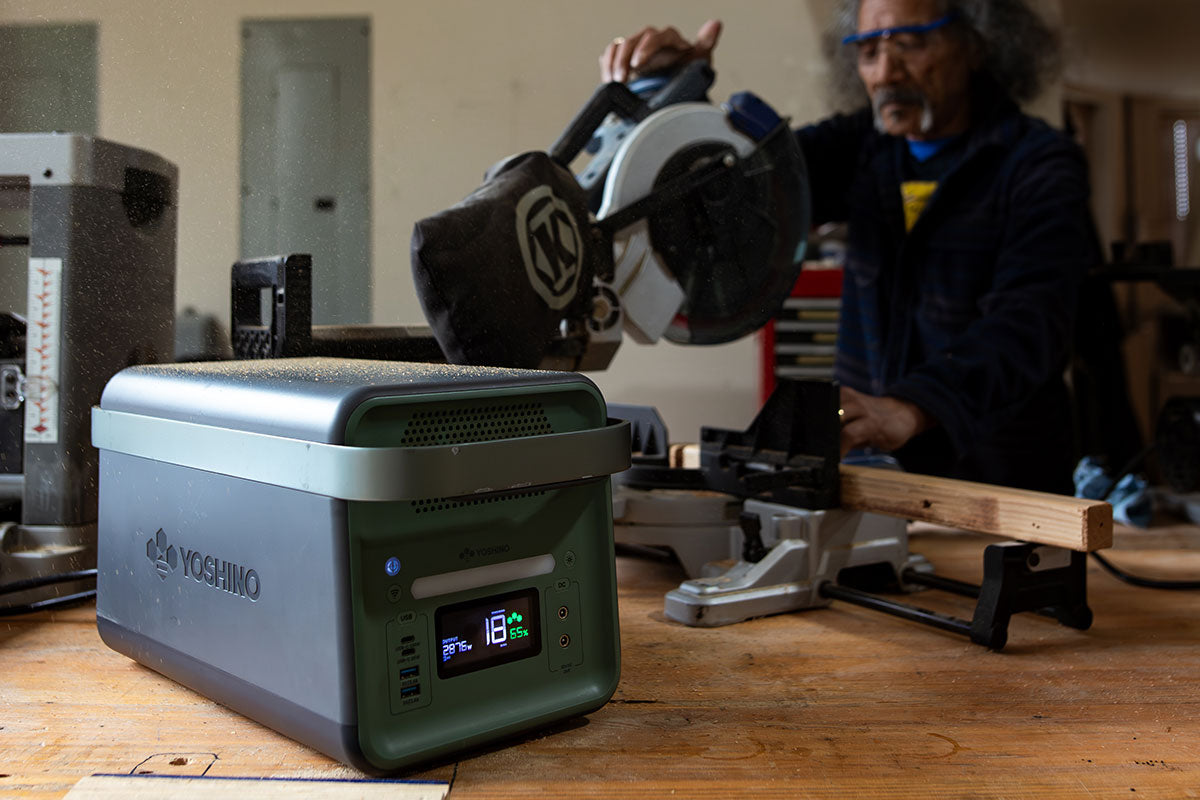
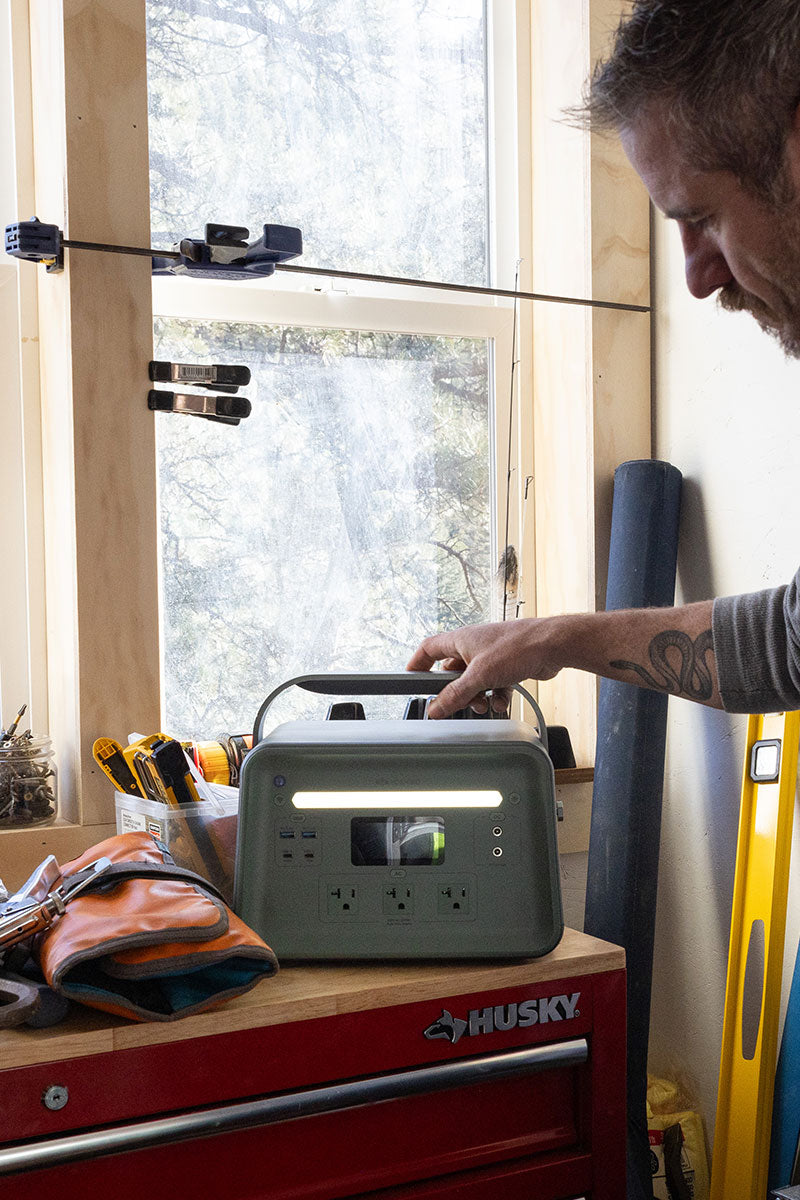
Workshop Powerhouse: Perfect for Indoor Creativity
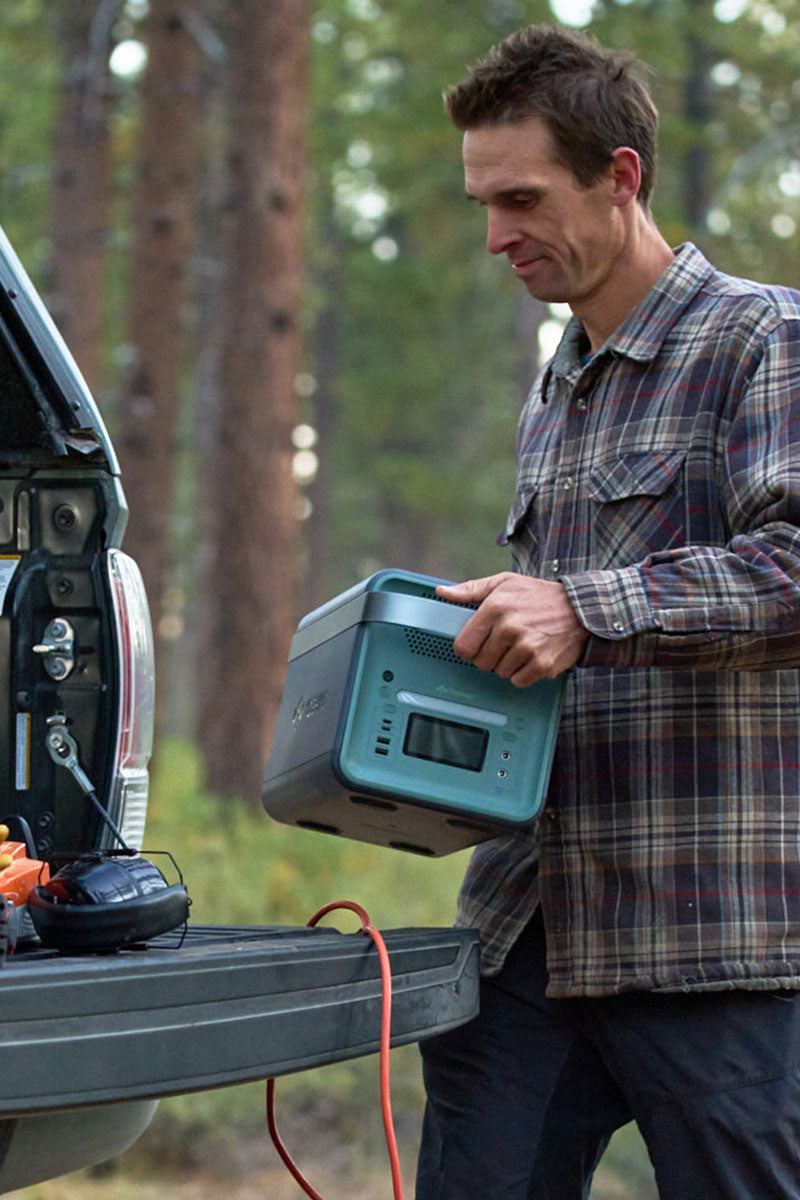
On-the-Go Solutions: Lightweight and Portable

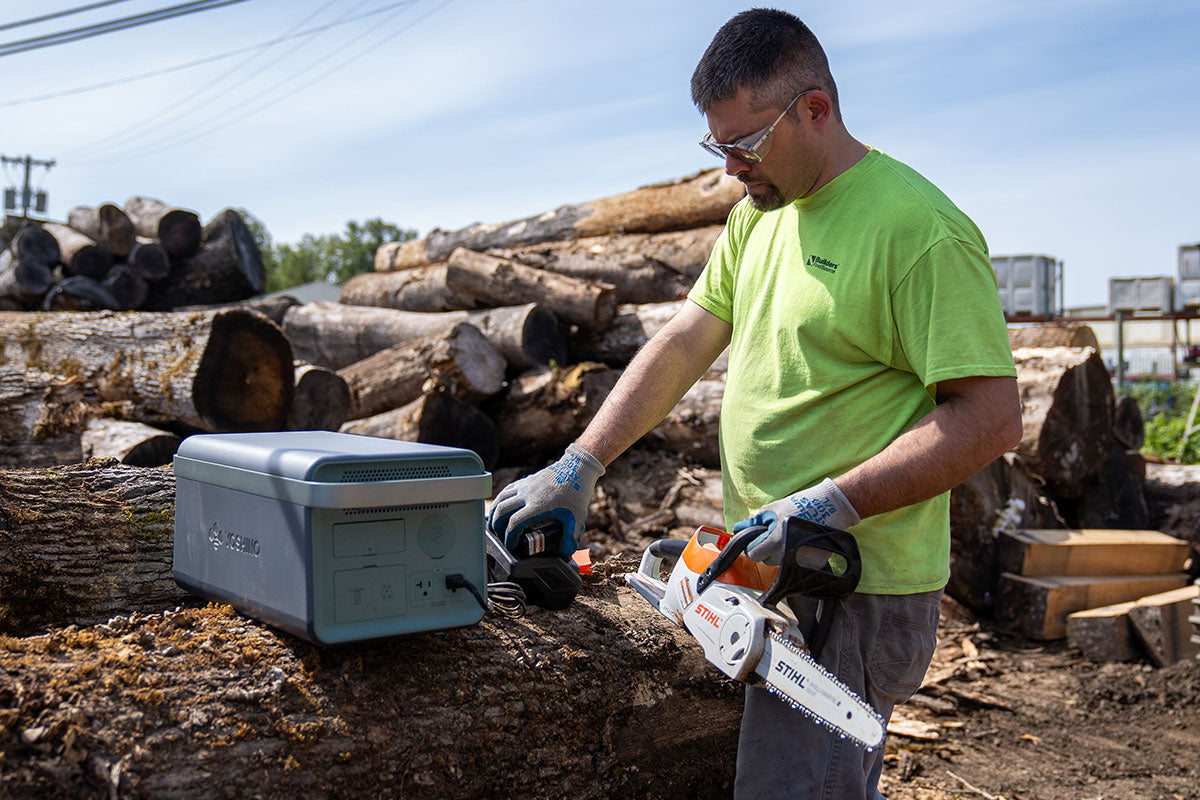
Worksite Power Solutions: Reliable Energy for Your Tools
Blogs and Inspiration

Are you preparing for a camping trip and wondering how to keep your devices powered up without the noisy hassle of a gas generator? A solar-powered portable power station might be just what you need! With the right portable solar generator, you can keep your lights, phone, and other necessary devices running smoothly, all while making sure the great outdoors stays peaceful and quiet. Whether you're planning an RV trip, or you’ll be staying in a tent, these generators offer a clean, quiet, and eco-friendly way to stay powered up.
This guide is your go-to resource for choosing the ideal solar generator for your next camping adventure. You'll discover how solar generators work, the unique benefits they provide, and the key features to consider when selecting the best model. By the end, you'll see why a solar generator could be the perfect way to stay powered on your next trip.
Why Choose a Solar Generator for Camping?
A solar generator is more than just a trendy gadget; it’s a smart, portable solution for keeping your devices powered. Instead of relying on the electric grid, you can keep your devices and appliances working with clean energy from the sun. While camping, you’ll discover several advantages of a solar-powered generator. It operates quietly, produces no harmful fumes, and allows you to recharge your devices using solar panels. This means you get reliable power without having to refuel with gasoline, and you won’t have to deal with the terrible noise that comes with a traditional generator. These features make it an ideal choice for a peaceful camping trip.
Beyond being an eco-friendly choice, solar generators are often much easier to maintain than gas-powered generators. They're also ideal for providing backup power at home during a blackout.

Yoshino’s Solid-State Technology
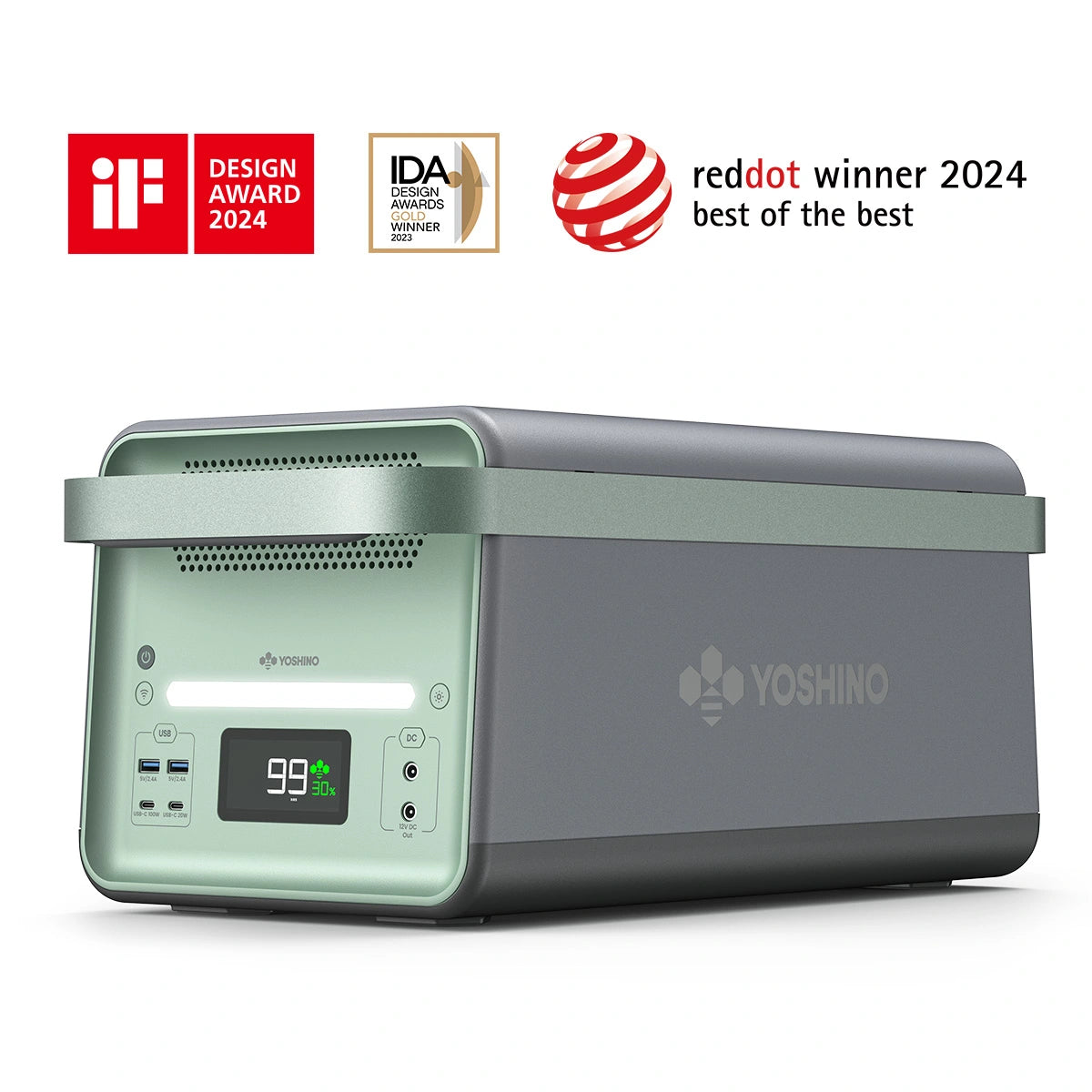
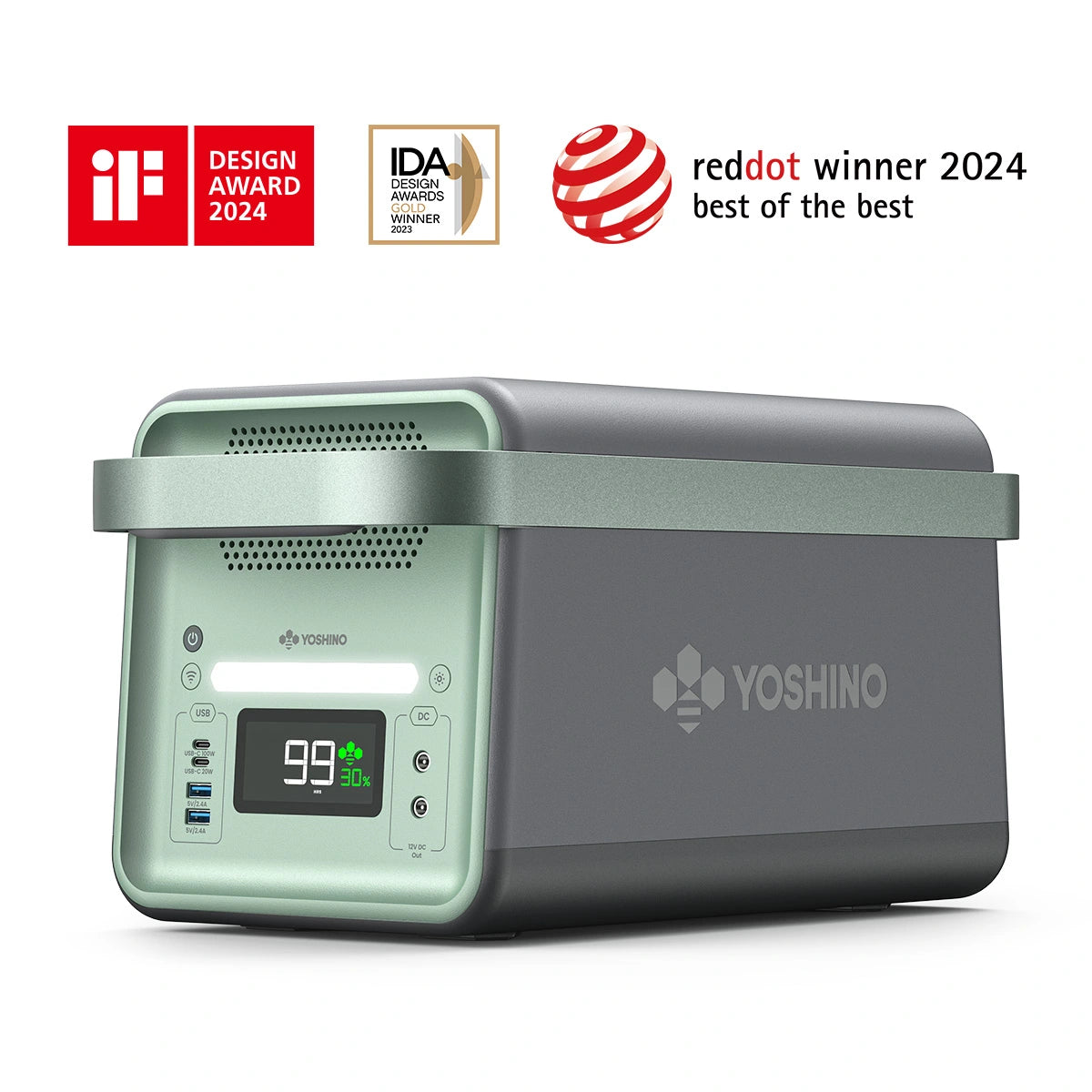
Yoshino’s solid-state battery technology is a game-changer in portable power solutions. Unlike traditional lithium-ion batteries, solid-state batteries use a solid electrolyte, which makes them safer and more efficient by reducing the risk of overheating, leaks, and fire. With up to 2.5 times the energy density of conventional batteries, Yoshino's solid-state technology allows for more power in a smaller, lighter package. This innovative approach ensures longer-lasting, reliable energy—perfect for powering your devices during camping trips. When you choose Yoshino, you receive not just a portable generator, but a sustainable, high-performance power solution for your adventures.
How Do Solar Generators Work?
You might be wondering how a solar generator operates. It’s actually pretty simple:
- Solar Panels Absorb Sunlight: The solar panels capture energy directly from the sun and convert it into electricity.
- Battery Storage: This electrical energy gets stored in a battery, thus allowing you to access it whenever you need it.
- Power Output: You can use the stored energy to charge devices, run small appliances, or even power your RV setup.
Unlike traditional fuel-powered generators, which require regular fuel refills and emit exhaust, solar generators provide you with a quiet, clean energy solution. This is perfect for campers who want to have a green power option.
How Much Solar Power Do You Need for Camping?
When it comes to selecting the right solar generator, you need to consider how much power you’ll need for your camping trip. The size and capacity of the generator depend on what devices you plan to power.
- For Basic Needs: If you only need to charge phones and small lights, a small solar generator with a low-capacity battery will do the trick.
- For Bigger Needs: If you plan to run bigger devices like a mini-fridge or a portable fan, you’ll need a solar generator with a higher battery capacity to handle the extra load.
To find the right solar generator, make a list of all the devices you want to power and noting their power requirements. Solar generator capacity is measured in watt-hours (Wh)—the higher the number, the greater the generator’s capacity to meet your needs.
What Are the Benefits of Using a Solar Generator for Camping?
When you choose a solar-powered generator for camping or RV trips, you'll enjoy numerous advantages over traditional gas-powered generators. Here are some key benefits:
- Eco-Friendly: Solar generators harness clean solar energy, making them a much greener option compared to gas-powered generators.
- Quiet Operation: Unlike gas generators, which can be very noisy and annoying, solar-powered generators are quiet, allowing you to fully enjoy the sounds of nature without disruptive background noise.
- Portable Power Solution: Portable solar generators are easy to transport and store, which makes them perfect for camping and other outdoor adventures.
- Versatile Power Source: Solar generators can power a wide range of devices, from lights and phones to small appliances and even power tools.
By choosing a solar generator, you’ll enjoy a cleaner, quieter camping experience—while still having all the power you need to stay comfortable and connected.
What’s the Best Solar Generator for Camping?

There are plenty of excellent solar generators designed for camping in the woods, offering reliable power while maintaining a peaceful, quiet environment. Here are a few of our top-rated picks:
- K40SP21: This powerful generator has a larger battery capacity and fast charging options, making it ideal for campers who want a bit more power. The K40SP21 Power Station is also a fantastic choice for RV camping.
- K20SP23: Designed with portability and flexibility in mind, the K20SP23 Power Station offers various options, from small portable solar generators to larger models with enough power to keep more demanding appliances running.
When selecting the best solar generator for your trip, it’s important to know what devices you’ll need to charge. Understanding your power needs will help you choose the ideal solar-powered generator to bring along.
Can a Solar Generator Power an RV?
When selecting the best solar generator for your trip, it’s important to know what devices you’ll need to charge. Understanding your power needs will help you choose the ideal solar-powered generator to bring along. Many RV enthusiasts prefer solar generators because they provide clean, reliable power without the noise or emission associated with gas-powered generators.
For RV campers, portable solar generators like the B4000 or a B2000 model with additional solar panels can be ideal for running lights, small appliances, and keeping your devices charged. Be sure to equip your setup with enough solar panels to generate sufficient energy for your needs.
Should You Bring a Gas Generator or a Solar Generator for Camping?
While gas generators have been the go-to power source for camping, solar generators offer a more convenient and environmentally friendly solution. Here’s how they compare:
- Noise Level: Gas generators are noisy, while solar-powered generators operate almost silently.
- Maintenance: Gas generators require fuel and regular maintenance, whereas solar generators only need sunlight.
- Environmental Impact: Solar generators use renewable energy, reducing your carbon footprint during your camping experience.
For most campers, a solar generator is the best choice—especially if you're camping in areas with noise restrictions or environmental guidelines. Solar generators enhance the camping experience by providing reliable, quiet power without the need for fuel.
What Type of Solar Panels Should You Get for Camping?

Not all solar panels are created equal. Here’s what to consider when choosing solar panels for your camping generator:
- Portability: Look for foldable or lightweight solar panels, which are easy to transport and set up at the campsite.
- Panel Capacity: The number of solar panels you’ll need depends on how much solar energy you want to capture. More panels mean faster charging for your generator.
- Compatibility: Make sure your solar panels are compatible with your generator for optimal performance.
A portable solar panel setup lets you recharge your generator during the day, so you’ll have power stored up for nighttime.
Should you bring a gas generator or solar generator for camping?
If you’ve taken a generator along on a camping trip, it may have been a gas generator. These generators have been used for many years, and as you may already know, they can be very loud. On top of the terrible noise, they’re also bad for the environment and produce strong fumes due to the gasoline. They’re not exactly ideal for camping in the wilderness. Here’s how using a solar powered generator is different than using a traditional generator:
- No Fuel Required: Solar generators don’t need to use gasoline, so you don’t have to depend on finding a gas station to keep it running when you’re miles away from civilization.
- Quiet Operation: Unlike gas generators, solar generators operate quietly. This means that you can enjoy the peace and quiet during a camping trip.
- Lower Environmental Impact: Solar generators use clean energy, and compared to gas generators, this makes them a much more sustainable choice.
Many people who love camping are switching from traditional generators to solar generators to reduce their impact on the environment and enjoy the quiet, convenient power that solar offers. Quiet power is a great way to enhance your camping experience by making sure you keep everything running smoothly.
Are There Solar Generator Kits for Camping?

Yes, you can find solar generator kits that come with everything you need for a portable solar power setup. These kits typically include a solar generator, compatible solar panels, and additional accessories for camping or RV use.
Buying a solar generator kit simplifies the process, especially if you’re new to solar power. Brands like the Yoshino B4000 SST, B2000 SST, and B660 SST offer kits designed to give you a complete solar power solution for camping. If you need help selecting a portable solar generator, feel free to reach out to us at Yoshino. We’re here to provide you with the information you need to choose the perfect solar generator for your camping needs—ensuring you have reliable power when you need it most.
Key Points to Remember When Choosing a Solar Generator
Whether you’re planning to take an RV road trip, or looking to enjoy some peaceful time camping in the wilderness, keep these key factors in mind to help you choose the right solar-powered generator and keep everything powered up throughout your trip.
- Power Capacity: Be sure to pick a generator that can meet your power needs. More watt-hours mean more power storage.
- Portability: Look for a portable solar generator that’s easy to transport and set up.
- Battery and Solar Panel Compatibility: Make sure that the solar panels you buy will work seamlessly with your generator.
- Environmental Benefits: Solar generators use clean energy and operate quietly, thus making them ideal for eco-conscious campers.
- Quiet Design: Solar generators are designed to provide the best portable power source, but they're also perfect when you need to have quiet power.

As hurricane season brings high winds and flooding, the challenges related to power outages become more pronounced. These outages can profoundly affect everything from personal safety to living conditions. Back-up power solutions like generators and solar power systems are indispensable. They provide a critical safety net during hurricane-related power outages, making them a crucial consideration for homeowners in hurricane-prone areas.
Understanding the Impact of Hurricane Power Outages
Hurricane-induced power outages can disrupt everyday life, impacting individuals and families for days, weeks, or even longer. Without electricity, homes plunge into darkness once the sun sets, making it difficult to perform even simple tasks and increasing the risk of accidents. Electric stoves, microwaves, and other kitchen appliances become unusable, forcing households to rely on non-perishable food or alternative cooking methods. Refrigerators and freezers stop working, leading to the spoilage of perishable food items, which can result in food shortages and potential foodborne illnesses.
Loss of power means no air conditioning or heating, which can be particularly challenging in extreme weather conditions, leading to discomfort and health risks. Electric pumps that supply water to homes may fail, reducing access to clean water for drinking, cooking, and sanitation.
Power outages can turn off phone lines, internet connections, and cell towers, making it difficult for people to communicate with loved ones or receive essential updates from emergency services. Staying informed about the storm's progress and recovery efforts becomes more challenging without television, radio, or internet access.
Individuals who rely on electrically powered medical devices, such as oxygen concentrators or dialysis machines, are at serious risk without backup power. Some medications require refrigeration, and power outages can compromise their efficacy and safety. The lack of lighting and the use of alternative light sources, such as candles, can increase the risk of fires and other accidents.
Investing in generators or solar power systems with battery storage is essential to mitigate the impact of hurricane-related power outages on everyday life.
Types of Backup Power

Various backup power solutions are available, each with unique characteristics, advantages, and disadvantages. Here's a rundown of the most common types:
1. Portable Generators
Portable generators typically run on gasoline, diesel, or propane. They come in various sizes and capacities and can power multiple appliances and devices simultaneously.
Advantages:
- Flexibility: Can be moved and used in different locations as needed.
- Higher Power Output: Capable of running several high-demand appliances and systems.
Disadvantages:
- Fuel Dependency: Requires a constant supply of fuel, which can be challenging during emergencies.
- Noise and Emissions: Generally noisy and produce exhaust fumes, which can be hazardous if not used properly.
2. Solar Power Systems
A solar power system uses solar panels to convert sunlight into electricity. It’s often paired with battery storage systems to store excess energy during outages.
Advantages:
- Renewable Energy: Harnesses the sun's power, reducing reliance on fossil fuels.
- Low Operating Costs: Solar power systems have minimal operating costs once installed.
Disadvantages:
- Initial Cost: High upfront costs for installation and equipment.
- Weather Dependent: Efficiency can be reduced on cloudy days or extended periods without sunlight.
3. Portable Power Stations
Portable power stations have emerged as a versatile and convenient solution for providing backup power in various situations. These compact, rechargeable units are designed to supply electricity on the go, making them ideal for emergency preparedness, outdoor adventures, and more.
Power stations are typically powered by lithium-ion or lithium-iron phosphate (LiFePO4) batteries, which can be recharged using wall outlets, car chargers, or solar panels. They are equipped with various outlets, including AC, DC, USB, and even carports, to power various devices.
Advantages:
- Versatility: Power various devices, from smartphones and laptops to small appliances and medical equipment.
- Quiet Operation: Unlike traditional generators, portable power stations operate silently, making them suitable for indoor and noise-sensitive environments.
- Eco-Friendly: Produce no emissions, making them a cleaner alternative to fuel-powered generators.
Ease of Use: It is simple to operate, with plug-and-play functionality, and does not require fuel or complex setups.
Disadvantages:
- Lower Power Capacity: Compared to larger fuel-fired generators, they typically have lower power capacity, limiting their ability to run high-demand equipment for long periods. However, if used with solar panels, they can provide a steady power supply without restrictions.
- LiFePO4 batteries are often bulky and heavy.
Portable power stations are a game-changer in the field of backup power solutions. They offer a blend of convenience, versatility, and eco-friendliness that traditional generators can't match. With advancements in battery technology, like the development of solid-state batteries, the future of portable power stations looks even more promising. These innovations will likely lead to longer-lasting, safer, and more efficient power solutions, enhancing their role in emergency preparedness and everyday convenience.
Yoshino's innovation in solid-state battery technology places it at the forefront of the industry. As the market increasingly pursues safer and more efficient energy storage solutions, Yoshino continues to lead with cutting-edge products that set new standards for backup power. With a solid-state power station, you receive up to 2.5 times the energy density, which means more power in a compact, lighter unit. Yoshino power stations are up to 33% lighter than lithium-iron phosphate (LiFePO4) batteries, making them the perfect option for reliable portable power.
Choosing the Right Backup Power
Choosing the right backup power source is a crucial decision that can significantly impact your safety and comfort during power outages. By considering your family's needs, budget, and critical factors like power, capacity, and reliability, you can make an informed decision and feel empowered in your preparedness.
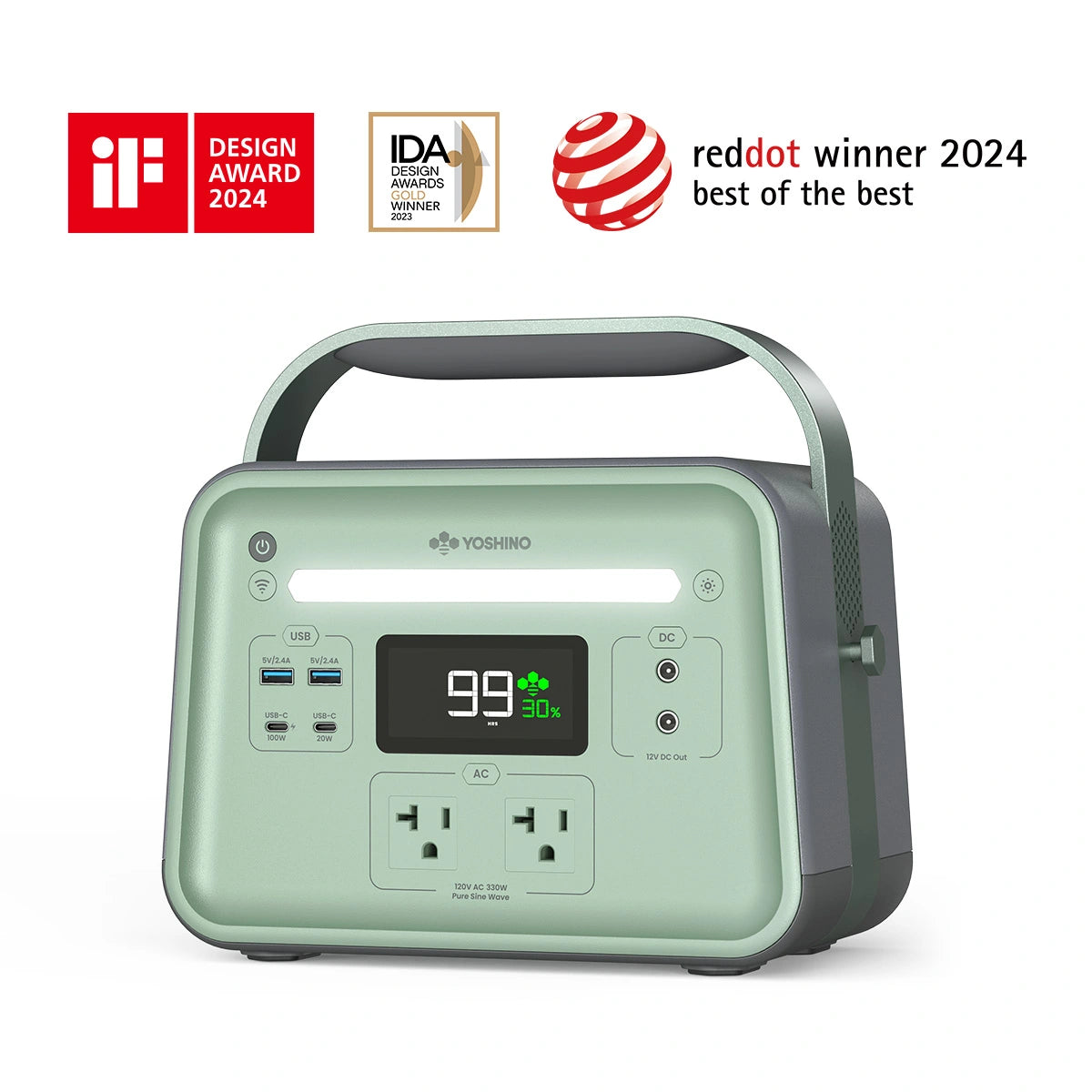
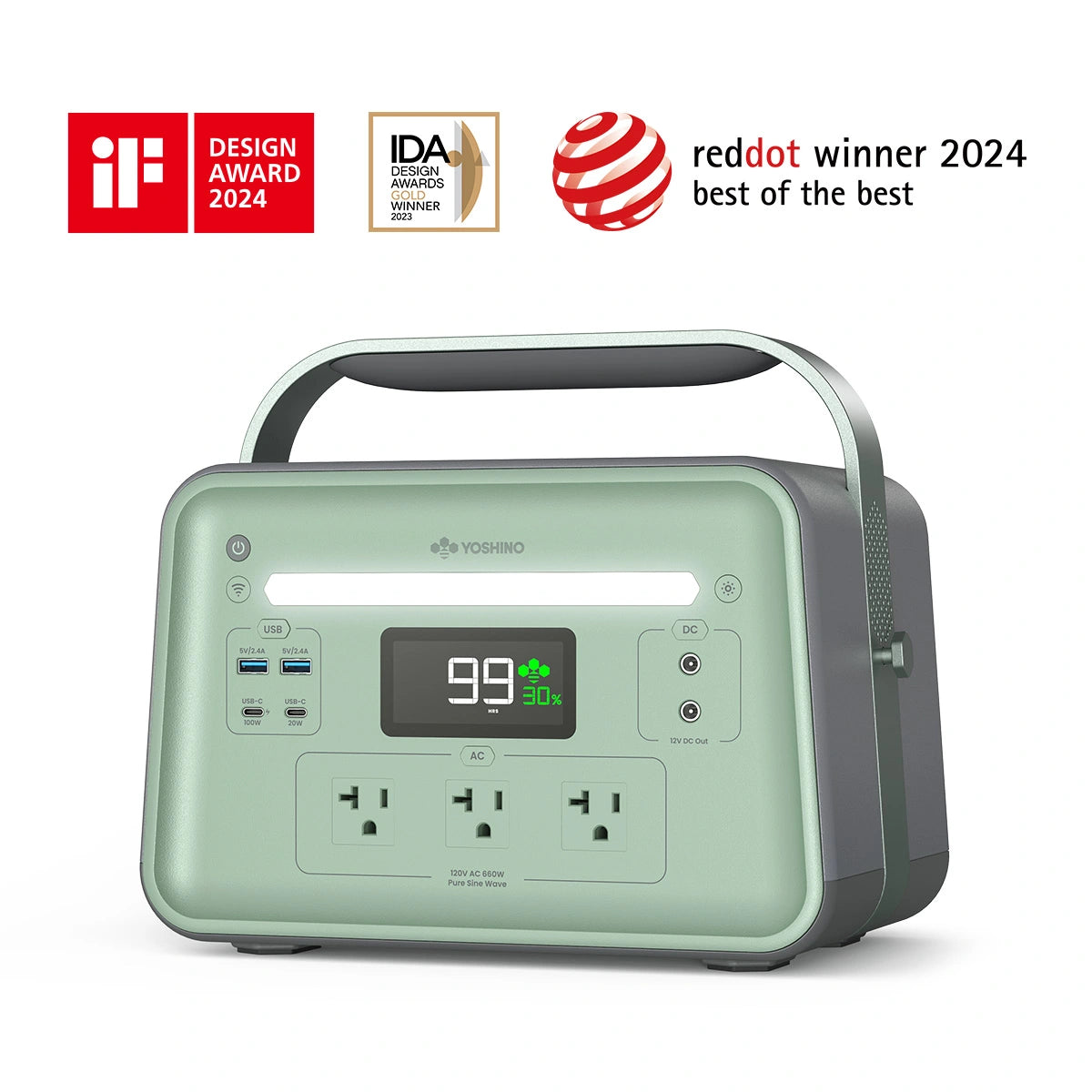
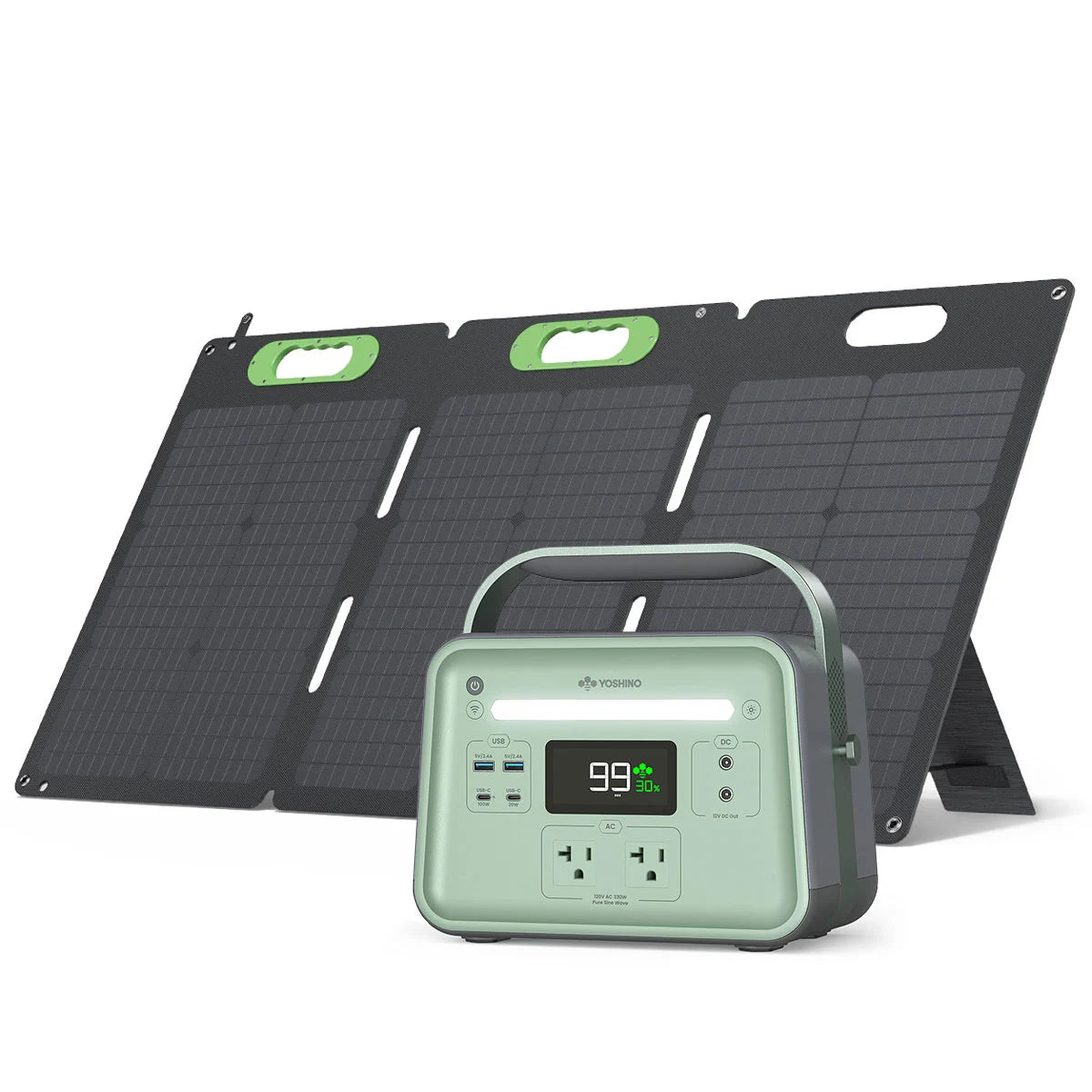
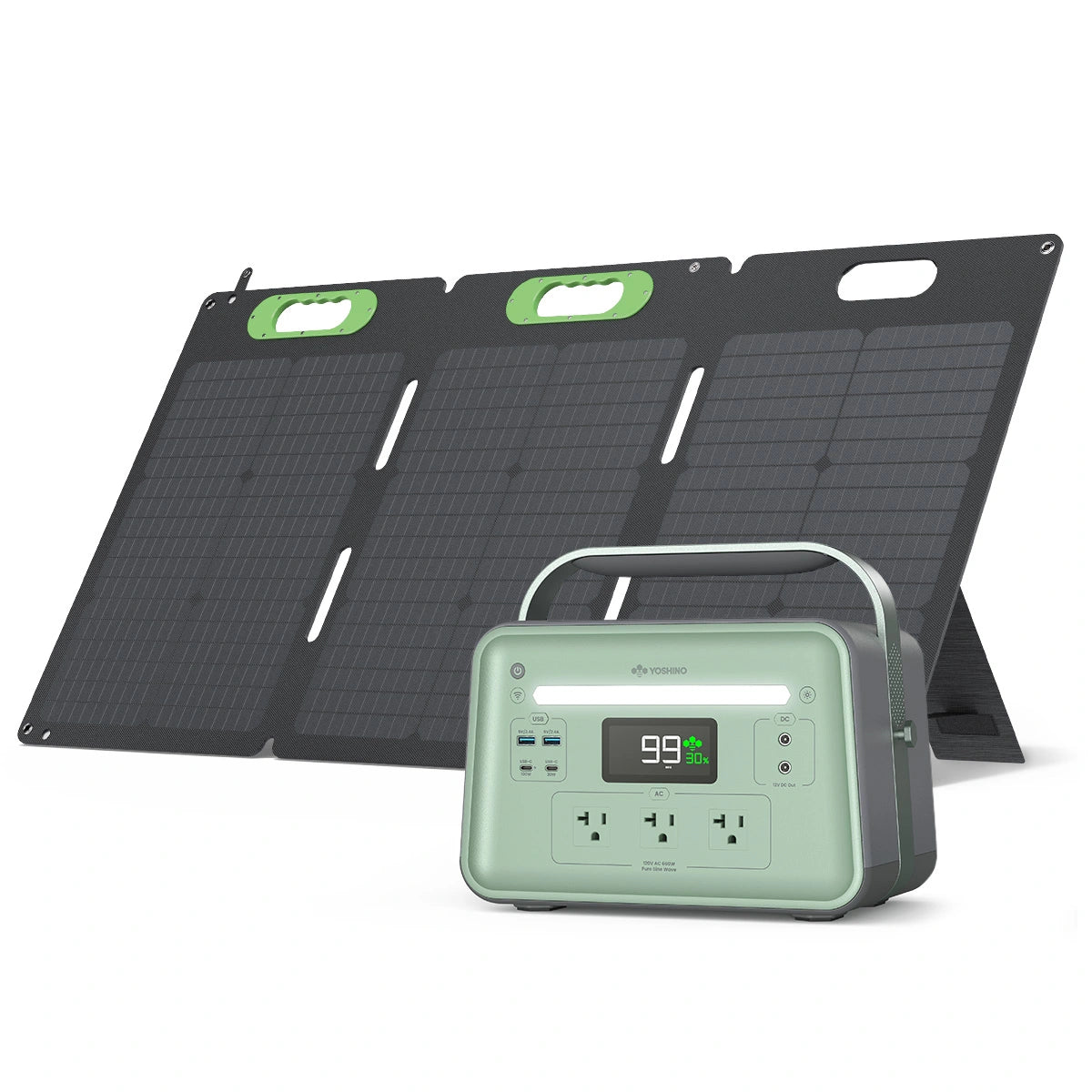
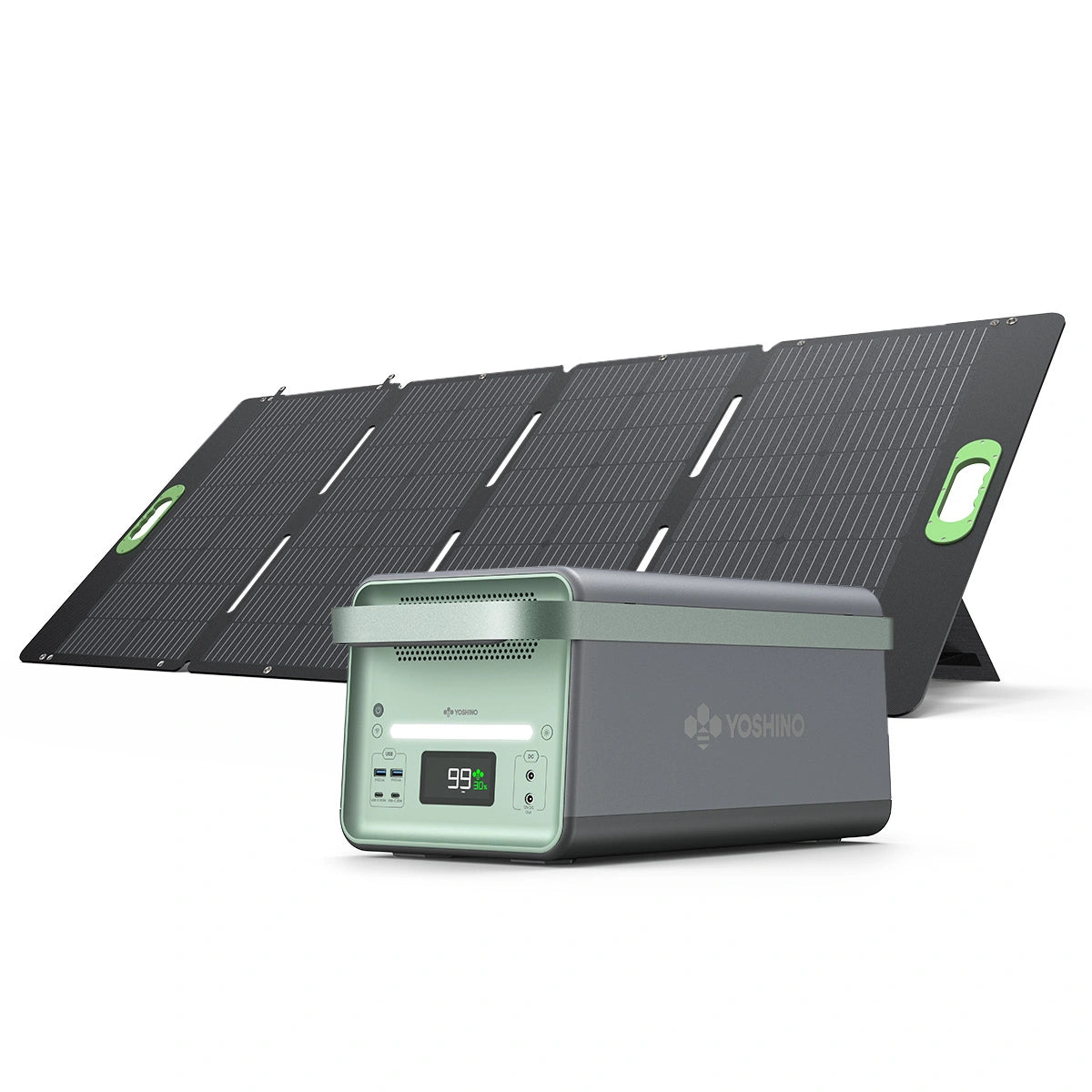
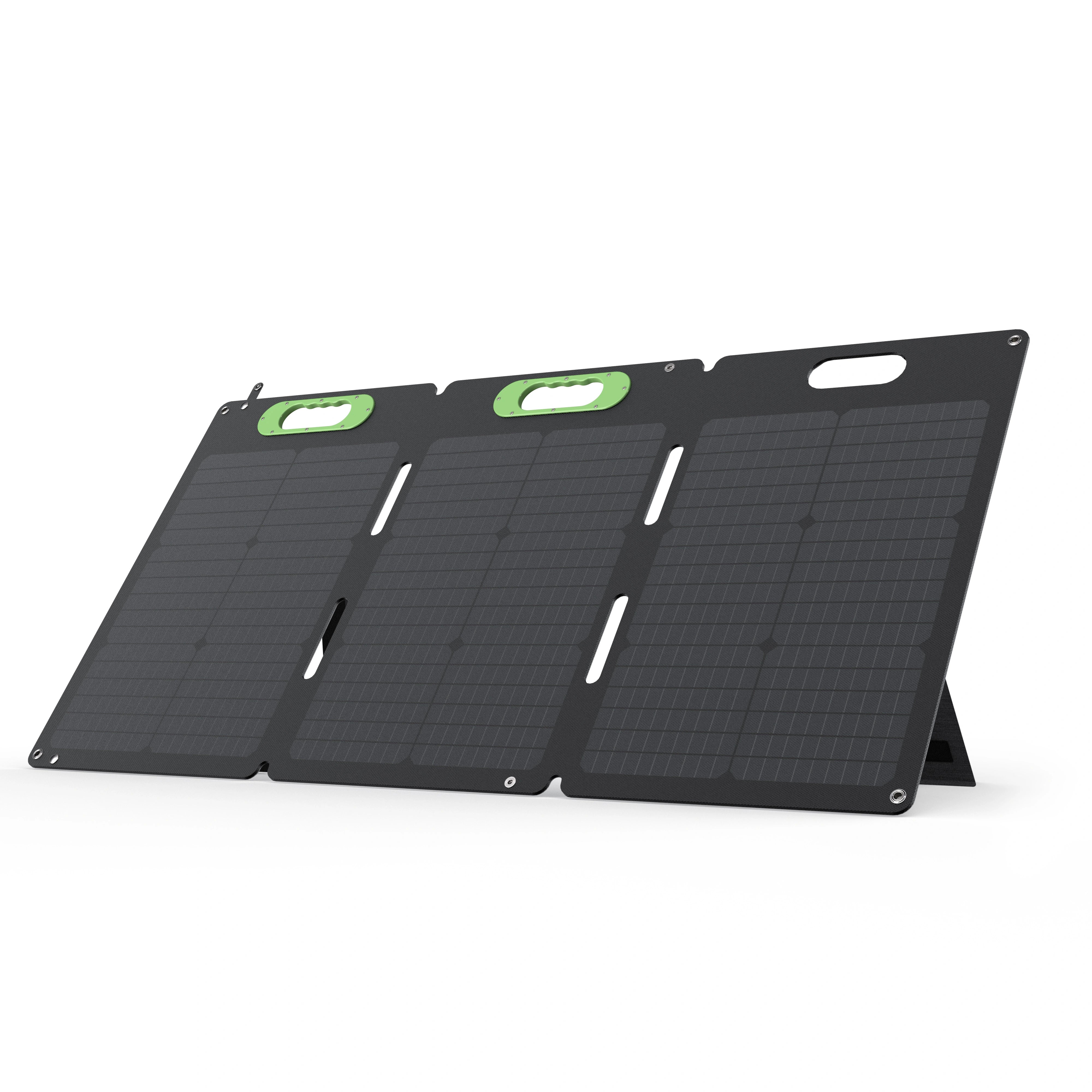
If you only need lighting and to keep your phone connected, we recommend Yoshino B330 and B660, which can meet 1-2 days of power demand. We strongly recommend using Yoshino SP100 portable solar panels together so you can recharge the energy storage battery from solar power during the day without worrying about running out of power three days later if the grid is not restored.
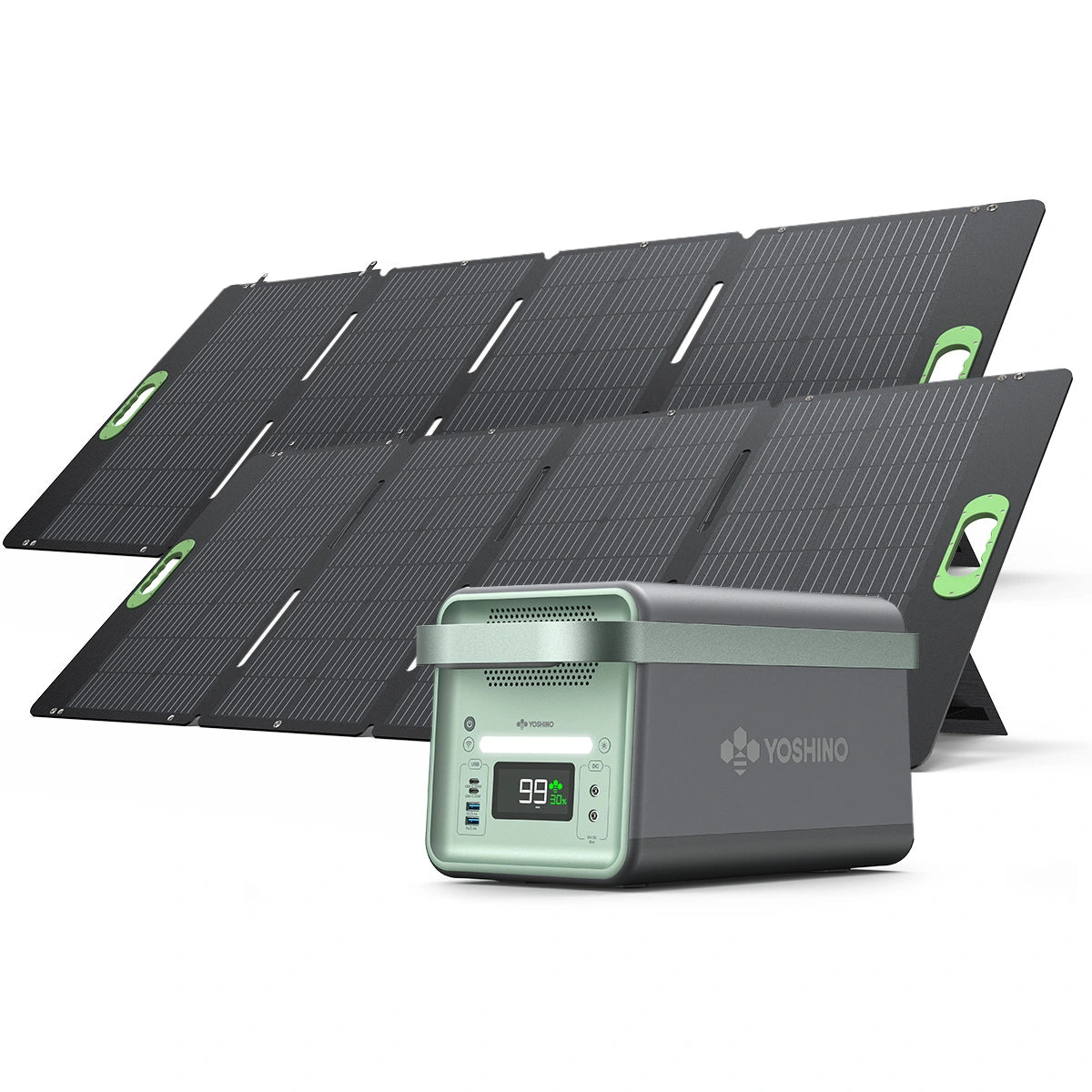
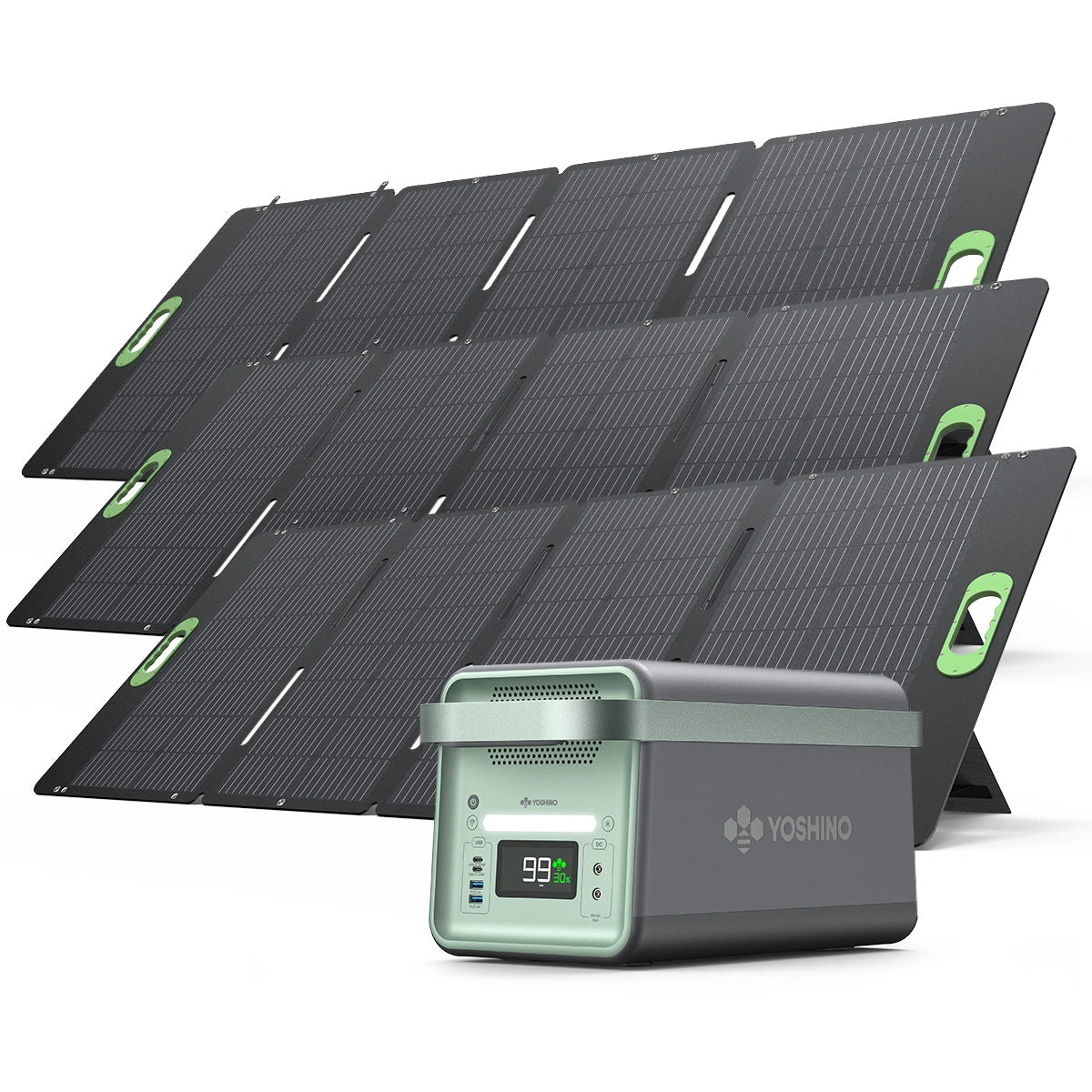
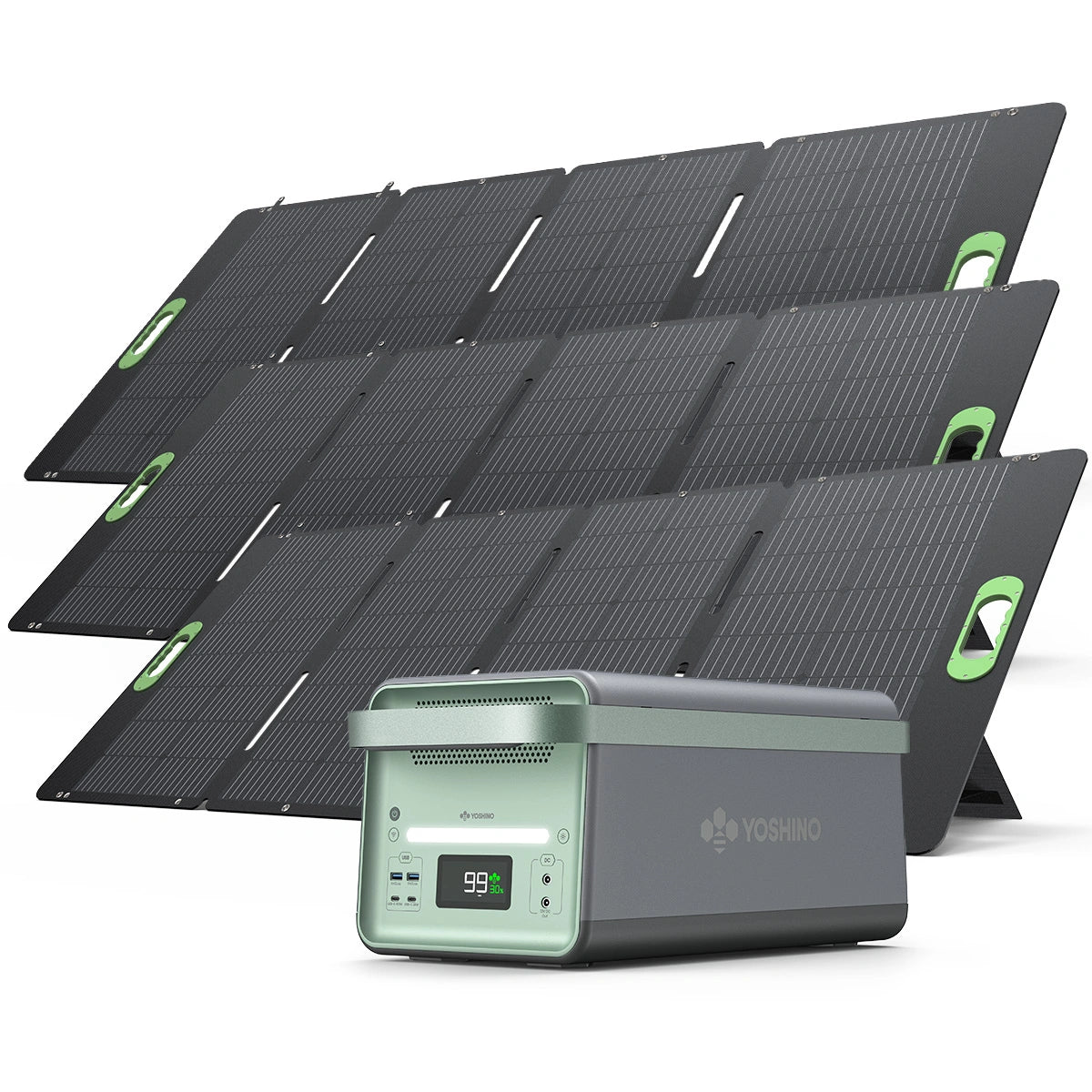
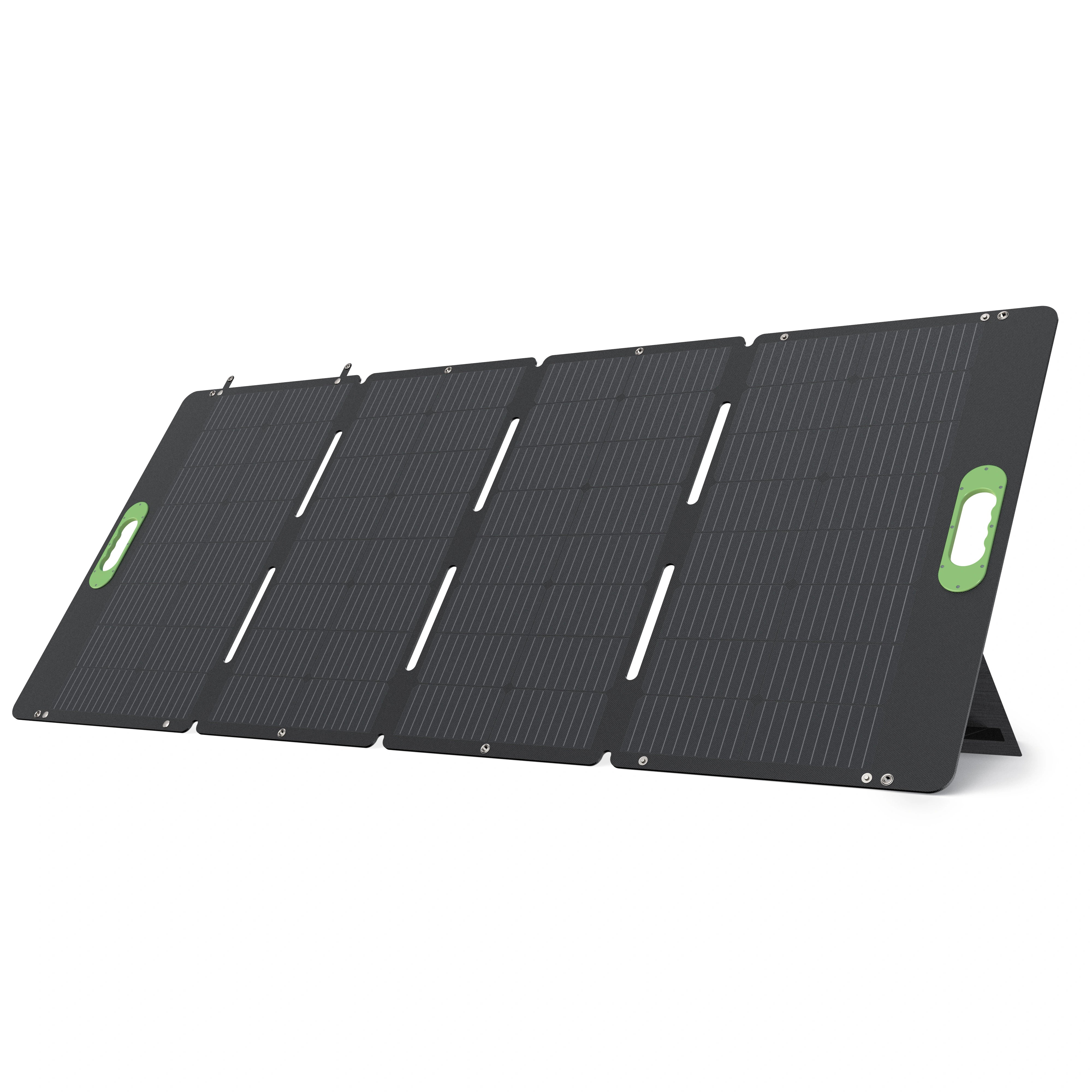
If you need to maintain water heating, cooking, and other living needs, we recommend Yoshino B2000 and B4000 and suggest using them together with three Yoshino SP200 panels.
Application of Backup Power

Backup power systems are not just a safety net but a source of relief and comfort during hurricane-related power outages. They ensure essential household lighting and communication, maintain food storage, and power medical equipment, significantly reducing the impact of power disruptions and providing a profound level of security in challenging and unexpected situations.
Additionally, a power station can maintain power to refrigerators and freezers to keep food at safe storage temperatures. It also provides cooking power when preparing meals for yourself and your family. Last but not least, power stations with larger capacities can be used as UPS that delivers continuous power for critical medical equipment such as oxygen concentrators, CPAP machines, and other life-supporting devices, ensuring the well-being of individuals who rely on medical equipment.
Backup Power Safety
Using backup power sources safely prevents accidents, injuries, and property damage. Always follow the operational and maintenance instructions provided by the manufacturer for your specific backup power source. Operate generators in well-ventilated areas to avoid carbon monoxide buildup. Never use a generator indoors or in enclosed spaces. Keep the area around your backup power source clean and free from combustible materials. Remove combustible waste daily and store it away from buildings to reduce fire risk. Protect your backup power sources from water. Ensure they are kept dry to prevent electrical hazards and equipment damage.
Choose safer backup power solutions. Be aware of the safety differences between various types of batteries. Conventional lithium and LFP batteries using liquid electrolytes can pose fire, leakage, or explosion risks. Safer alternatives like Yoshino, which uses solid-state lithium batteries, should be strongly considered. These batteries remove the harmful liquid electrolyte and replace it with a solid that remains stable under impact and extreme temperatures.
Never overload your backup power source. Check the power requirements of your devices and ensure the generator or battery can handle the load. Keep children and pets away from generators and power sources to prevent accidental injuries.
Backup Power Maintenance and Care
Proper maintenance and care for backup power are crucial to ensure reliability and longevity. Periodically inspect your backup power source for any signs of wear, damage, or leaks. Check cables, connections, and the overall condition of the unit. Ensure the area around your backup power source is clean and free from dust, debris, and combustible materials. This helps prevent fire hazards and ensures proper ventilation.
Check the charge levels regularly. Recharge the batteries as needed to maintain optimal performance. Follow the manufacturer's guidelines for battery care, including proper storage and handling.
Keep the firmware and software updated for advanced backup power systems with digital controls. This ensures you have the latest features and security enhancements.
Conclusion
Backup power is crucial during hurricane-related power outages, providing essential support for maintaining safety, communication, and comfort. Portable power stations and generators offer a practical solution to keep critical devices and appliances running when the primary power grid fails. Ensuring you have a reliable backup power supply can protect your family from the disruptions and dangers of extended power outages. Yoshino power stations provide a safe and more portable option equipped with the next-generation solid-state battery technology, bringing the next level of experience. Stay prepared this hurricane season and experience peace of mind with Yoshino's products.

"How to choose a portable solar power station" is one of the most common questions when looking at backup and mobile power options. Up until the last couple of years, there weren't many options. But now, there are an incredible number of options, and it can make it challenging to understand what brand and unit to choose.
This guide for choosing a portable power station will make it easy to understand what specs to look for when choosing a portable solar generator. The first thing to consider is what needs to be powered from the power station. Then from there, the inverter output rating, battery capacity, solar rechargeability, future expandability, and system longevity are all important factors.
What to Run?
This is the first point to be looked at when reviewing portable power stations. There will be a significant difference in what system to go with depending on what it needs to power. If the portable solar power station needs to run a refrigerator, WiFi, and a phone, that is relatively easy. But if it needs to run 3 fridges, 2 freezers, WiFi, a tv, chargers for multiple devices, a sump pump, a well pump, a furnace blower, fans, lights, and medical equipment, then a much more extensive system is required.
Most people need to run a fridge, freezer, a few lights, a fan, and mobile device chargers. A system of that size would need at least a 1,000w inverter, a 3,600wh battery, and about 800w of solar input to work correctly. This system can work as a standby power source whenever the power goes out.
For people who need a more extensive system such as running 2 fridges, 2 freezers, WiFi, tv, well pump, sump pump, and the other things mentioned earlier, the system will be much more significant. It would require 240v power for the well pump. It would need a large inverter output for all the appliances and devices running. And a substantial solar input to recharge that whole system in a single day while still running that equipment.

Inverter Output
An inverter is a large microchip that converts battery voltage to household voltage. Battery voltage is not suitable for running household devices. Typical battery voltages in portable solar power stations are 12v, 24v, and 48v. The voltage that comes out of a standard house outlet is 120v. If a kitchen appliance, such as a microwave, does not have the correct voltage going into it, it will either not work or get damaged.
Some appliances or devices use 240v power, such as well pumps, air conditioners, electric water heaters, electric stoves/ovens, electric clothes dryers, and electric furnaces. If any of those appliances need to be powered, then the inverter must be capable of handling that much voltage. Typically, with portable solar power stations, it'll be necessary to have two inverters to make 240v power since it is called "split phase power." Essentially, each inverter makes one "phase" of power, and having two of them together makes it possible to split or oppose them to work appropriately with 240v appliances.
But in the case of portable power stations, it's unnecessary to worry about that because those features are already built into the system, making it easier for the end user.
Most power stations will make 120v power which means you can connect anything to it that would connect to a typical house outlet, and it should work without any difficulty. The only thing to consider is how powerful the inverter should be. All that's necessary is to find out how many watts the devices use that will be used on the system.
A refrigerator typically uses about 400w when running. An LED light bulb will typically use 14w when running. A sump pump to keep water out of a basement or yard varies greatly depending on how many watts it operates and how much horsepower it's rated. But a typical pump is around 800w when in use. A toaster, coffee maker, or microwave often uses about 1,300w when running.
Typically, the power rating is listed on a small sticker on every appliance or device, but a quick Google search will also help find how many watts different devices use.
Simply add the total wattage of what would be running at one time, showing how many watts the inverter should be rated to. If a fridge, coffee maker, and microwave run simultaneously, the inverter must be rated at least 3,000w. 400w for the fridge, 1,300w for the coffee maker, and 1,300w for the microwave.
But that is only one part of the equation. The next question is, how long can all essential equipment run before the energy runs out?
Battery Capacity
A large enough inverter to run all the essential devices necessary is important, but the battery will determine how long those devices can run. The inverter could be considered a car engine, and the battery can be viewed as a fuel tank. The larger the fuel tank, the longer it will drive.
It is perplexing to figure out how big a battery is necessary for a portable solar power station. There are very confusing terms like volts, amps, watts, amp-hours, ohms, watt-hours, etc. That is why companies like Yoshino work to help customers figure out what size battery they need to meet their goals. But not only that, they make power stations that can add extra batteries to match whatever the battery capacity needs are.
To determine the necessary battery capacity, it's best to work in terms of "watt-hours." Watt-hours refer to the total battery capacity, like a fuel tank is measured in gallons for size. To know how much battery is necessary, determine the average amount of watts used by the devices running from the power station and how many hours they will run constantly.
For example, a refrigerator uses about 400w when running but will only run for about 15 minutes every hour. Since 15 minutes is 25% of one hour, we will take 25% of the 400w the fridge uses when running, and we get the outcome of watt-hours. 400w ÷ 25% = 100wh. This means the fridge will consume about 100wh of battery capacity for every hour the fridge runs. If there are two fridges, they will use about 200wh per hour. If there is one fridge to run, and I want to run it for 24 hours non-stop, then a 2,400wh battery is necessary to make that happen.
But the power can often be out for more than 24 hours, and the essential appliances must keep running. That is why portable power stations' solar input and rechargeability are crucial.
Recharging
Most power stations will recharge in one of two ways. One, from a wall charging cable, or two, solar panels. For long-term power outages, it's best to have solar panels adequate to the system's power needs. Just like watts used for one hour will show the total watt-hours consumed off of a battery, watts produced from solar panels for one hour will show the restored energy back to a battery.
A 100w solar panel in the sun for 5 hours will make 500wh of power that goes back into the battery. There is an average of 5 solar peak hours per day in the USA. Depending on geographic location, it varies between 4 to 6 solar peak hours, but 5 solar peak hours is an excellent base to work with.
If a fridge uses 100wh per hour from the battery and the battery runs from evening through the morning, it will use about 1,600wh of energy from a battery. To run the fridge through the next night, it's necessary to recharge those 1,600wh back. Solar panels are the next best option if there is no grid power, such as during a blackout or emergency. Since there are 5 solar peak hours in a day, the 1,600wh of energy has to be recharged in those 5 solar peak hours.
In addition to recharging the battery, the fridge must continue running during the day, using 100wh/hr. In order to do this math, take 1,600wh and divide that by the total solar peak hours, which is 5 hours. 1,600wh ÷ 5hrs = 320w from solar panels to recharge the battery. But since the fridge still needs to use 100wh per hour, adding another 100w to the solar input is necessary to cover the refrigerator still running while recharging the battery and bringing the whole solar panel array to 420w as the minimum recommended solar array size.
Conclusion
Once all this basic math is put together, choosing a portable solar power station is easy. Knowing how much power needs to run at any given moment will determine the inverter size. Knowing how many watts are used per hour, and how many hours the battery needs to last will determine the battery capacity. The battery capacity and hourly power usage can appropriately determine the solar input.
Yoshino is dedicated to helping people by providing high-quality, long-lasting, and easy-to-use portable solar power stations. This takes all the guesswork out of assembling a system and making it work for mobile power.
More From Us